When it comes to dementia, everyone is no stranger. Many film and television works have such characters. They gradually lose their memories and can't recognize the faces of their family members who have been with them for many years. It is said that a new case of dementia appears every 4 seconds worldwide. In 2016, there were approximately 43.8 million Alzheimer's patients worldwide, of which 10.427 million were Chinese patients. Dementia has become an imminent challenge.
|
Do we really understand dementia? What is dementia.
Dementia is a syndrome that results in the impairment of sexual cognitive function and leads to a marked decrease in patients' daily living ability, learning ability, work ability and social communication ability. Patients' cognitive impairment involves memory, learning, orientation, comprehension, judgment, calculation, language, visual spatial function, analysis and problem solving, etc., and it is often accompanied by mental, behavioral and personality abnormalities at a certain stage of the course of the disease. |
|
 |
Many people may equate dementia with Alzheimer's disease. In fact, we often hear that Alzheimer's disease is only a type of dementia. According to whether it is degenerative disease, dementia can be divided into degenerative diseases of the central nervous system, such as Alzheimer's. Hemer disease, fronto-temporal dementia, Lewy body dementia, Parkinson's disease, etc. and non-degenerative dementias, such as vascular dementia, traumatic brain dementia, etc.
Treatment of dementia:
 |
|
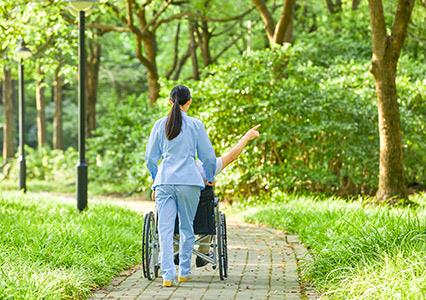
The treatment of dementia can be divided into drug treatment and non-drug treatment. Among them, drug treatment is currently the main method of dementia treatment. Commonly used drugs are the cholinesterase inhibitor donepezil, carbatine, galantamine, and excitatory amino acid receptors. Antagonist memantine. In addition to drug treatment to help improve symptoms and prevent further development of dementia, other methods are needed to help improve patients' living ability and quality. On the basis of drug treatment, non-pharmacological therapies such as combined behavior, physical and environmental improvement strategies, such as regular aerobic exercise in patients, can enhance neural connection networks, provide neuroprotective effects, and slow cognitive decline in neurodegenerative diseases; Patients perform cognitive function training and a series of tailor-made activities Can improve their cognitive level and ability to live; for patients with mental symptoms and depression, psychological counseling and social environment intervention before or during drug treatment; for sleep problems in dementia patients, through exercise , Sleep education and other lifestyle interventions to improve. |

0736-7312155

Copyright © 2019 Hunan Dongting Pharmaceutical address:No.16, Shandong Yanlu, Changde City, Hunan Province Record number:湘ICP備20005175號(hào)-1Business license map
Technology:Competitive network